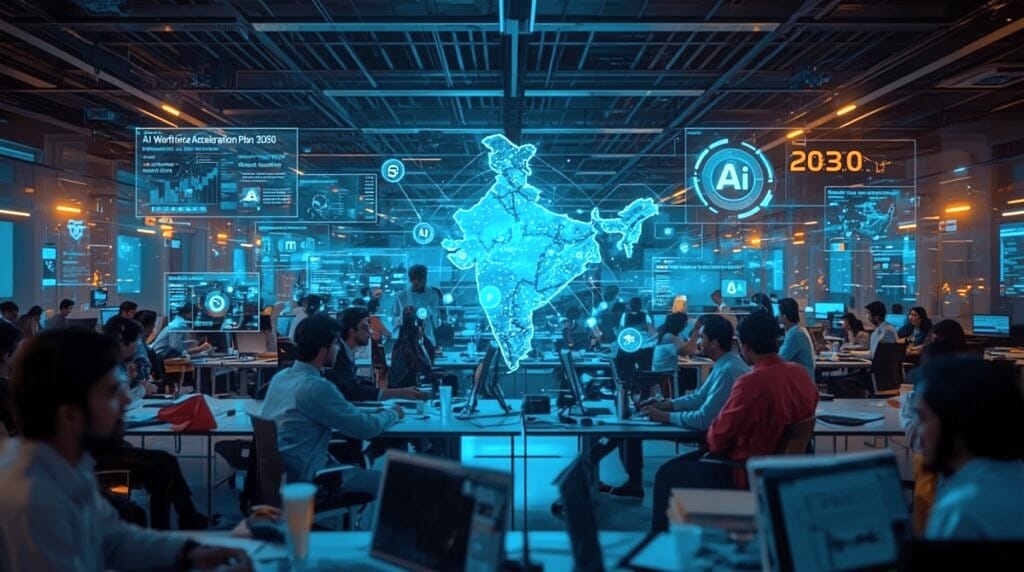


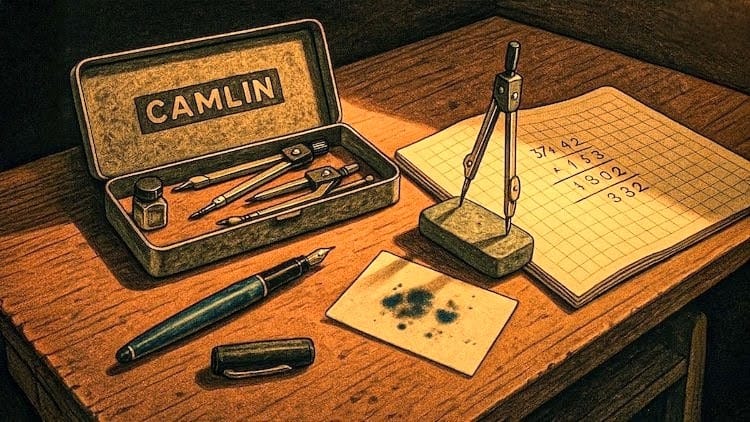
For every 90s kid, school wasn’t just a place — it was an ecosystem of memories, emotions, and experiences that still feel fresh even decades later. Wooden benches, dusty chalkboards, mid-day PT periods, the thrill of a new Camlin geometry box, pen fights, PT shoes on Fridays, and the teacher’s voice echoing “Silence class” — these moments built not only our childhood but also the foundation of who we are today.
Back then, we didn’t use words like human capital formation.
We simply lived through experiences that unknowingly shaped our skills, discipline, adaptability, and potential.
Fast forward to the present — the same 90s kids have become professionals, creators, innovators, engineers, digital entrepreneurs, and problem-solvers contributing actively to the world economy.
And the bridge between those nostalgic days and today’s digital success?
Education.
Simple, old-school, honest education.
My this article explores how the educational journey of 90s kids shaped one of the strongest human capital generations in modern India — bridging chalkboards and cyberclassrooms with unmatched adaptability.
● The 90s Classroom: A Simpler Era with Powerful Lessons
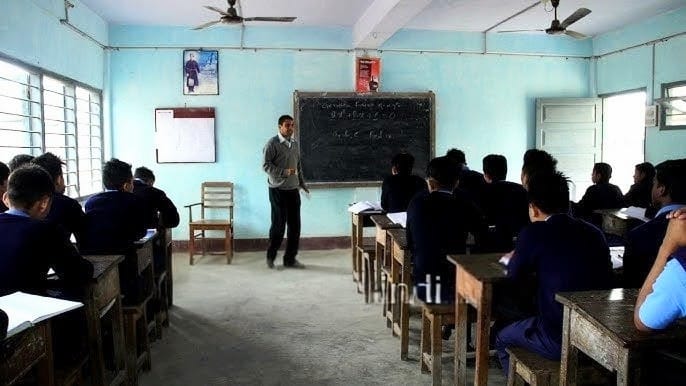
Schools in the 90s were not high-tech, flashy, or digital. In fact, most learning happened with:
Chalk and wooden dusters
Thick notebooks covered with brown paper
Heavy school bags
Dictation tests
Handwritten notes
Library queues
Teachers with thermos flasks instead of laptops
● Yet these environments built the core strengths that form human capital:
- Discipline and Focus
There were no distractions – no smartphones, no YouTube, no instant answers on Google. Students had to listen, understand, memorize, and write. This built:
Strong concentration
Long attention spans
Patience
Consistency
Qualities extremely valuable in today’s fast-paced digital jobs.
- Memory and Retention Power
● Learning in the 90s required:
Rewriting notes
Memorizing definitions
Dictionaries instead of autocorrect
Mental math instead of calculators
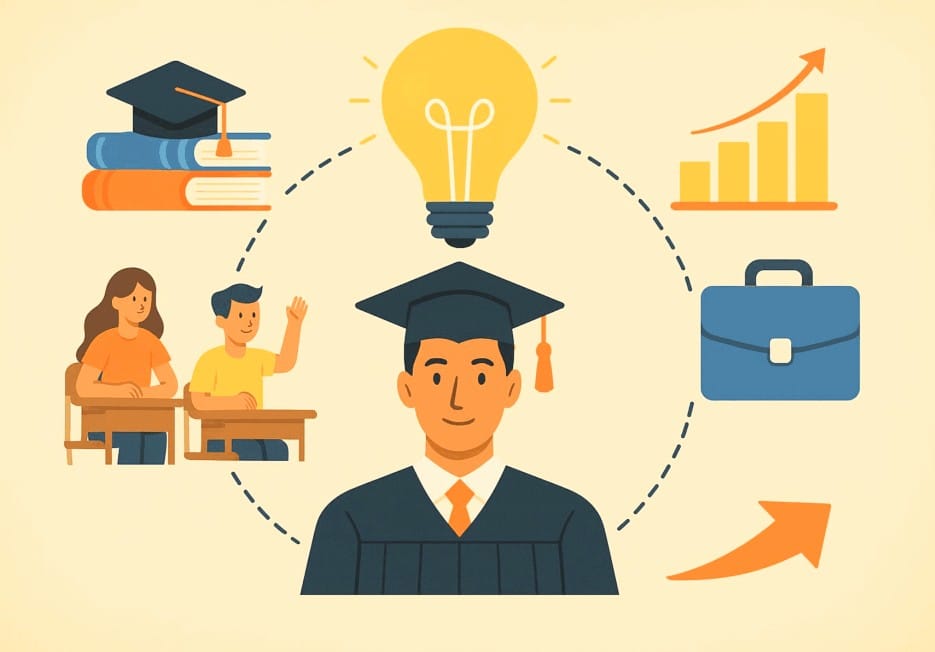
This strengthened our cognitive abilities — an important component of human capital productivity.
- Face-to-Face Social Skills

● Before virtual classrooms and Zoom calls, human interaction was real:
Classroom debates
School competitions
Playing outdoor games
Negotiating with friends
Handling group projects
All these built communication skills, teamwork, emotional intelligence, and leadership — skills highly in demand in the modern workforce.
- Problem-Solving Without Technology
We didn’t have shortcuts.
If a math problem was tough, we solved it the long way.
If a project was assigned, we made charts, not PowerPoints.
This developed:
Logic
Creativity
Persistence
Troubleshooting capability
Again — key aspects of human capital formation.
The Shift: When 90s Kids Entered the Digital World
Around the late 90s and early 2000s, something revolutionary happened — the arrival of computers and the internet.
● Most 90s kids experienced technology in phases, creating a rare balance between nostalgia and modernity:
Phase 1 — The Mystery of Computer Labs
One period a week.
Shoes off before entering.
“Don’t touch anything unless told”
This was our introduction to digital learning.
Phase 2 — Windows, Paint, Typing, Basic Coding
MS Paint masterpieces.
Typing lessons.
The fascination of seeing your name appear on a monitor.
This improved digital literacy in a playful way.
Phase 3 — Dial-up Internet: The Real Game Changer
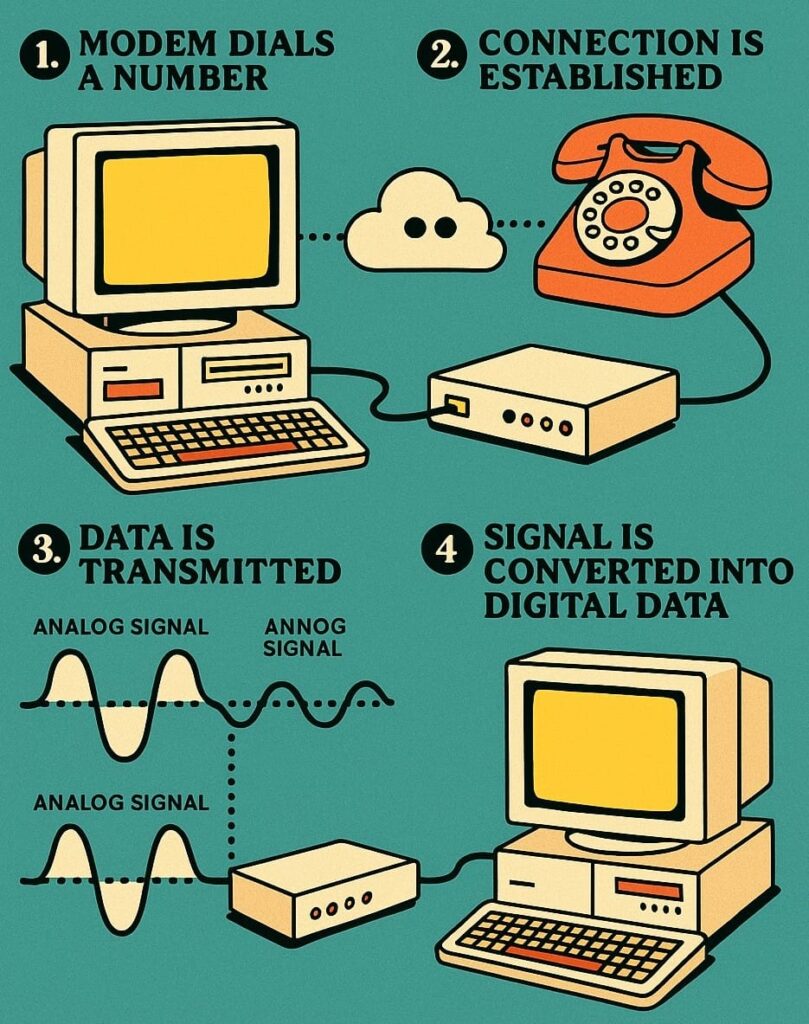
The sound of dial-up internet still triggers memories.
Slow browsing taught patience, curiosity, and adaptability.
Phase 4 — The Smartphone Revolution
And then everything accelerated —
the same children who used film cameras were now exploring touchscreen phones, apps, and social media.
● This adaptability was the biggest strength of 90s kids.
We didn’t grow up with technology —
we grew into technology.
Which is exactly why this generation became one of the strongest pillars of digital human capital.
Education + Nostalgia = The Perfect Human Capital Mix
Human capital means the skills, knowledge, creativity, and abilities that make people more productive and valuable to society.
● The 90s generation received:
Old-school strength
(Discipline, handwriting, memory, attention)
Plus modern digital exposure
(Computers, smartphones, internet, coding, digital communication)
● This dual learning gave today’s 90s-born adults a unique competitive edge in:
IT & software
Engineering
Teaching
Corporate leadership
Content creation
Digital marketing
Entrepreneurial ventures
Creative industries
Innovation and start-ups
No other generation had this combined advantage.
The 90s Generation: The Bridge Between Two Worlds

● Today, 90s kids stand at a rare intersection:
We can read a map AND use Google Maps
We used floppy disks AND cloud storage
We printed photos AND uploaded them on Instagram
We wrote love letters AND send emojis
We attended tuition classes AND use online courses
● This dual existence makes us:
The most adaptable generation
(we survived pre-tech and post-tech)
The most emotionally connected generation
(nostalgia is our fuel)
The most resourceful generation
(no excuses, only solutions)
The most balanced generation
(we value both simplicity and innovation)
All these elements make 90s kids one of the strongest contributors to India’s human capital today.
Economic Impact: How 90s Kids Are Powering Modern Growth
● The Indian economy today thrives on:
Digital IT services
Software exports
Startups
Creative industries
Tech-based entrepreneurship
Digital finance
Ed-tech & e-learning
Engineering excellence
Who powers all of this?
Mostly 90s-born professionals.
● Our balanced education system — half nostalgic, half modern — created:
Managers who understand people
Coders who first learned math the hard way
Designers inspired by 90s ads and cartoons
Entrepreneurs who value both tradition and technology
Teachers who learnt without Google yet teach with Google Classroom
This is the real beauty of human capital formation through the 90s education system.
Final Word: Nostalgia Made Us. Education Shaped Us. The Digital World Elevated Us.
The story of human capital formation isn’t just economics.
It’s emotional.
It’s nostalgic.
It’s personal.
Especially for 90s kids.
The story of 90s education isn’t just nostalgic.
It’s deeply connected to growth, personality shaping, and economic development.
From:
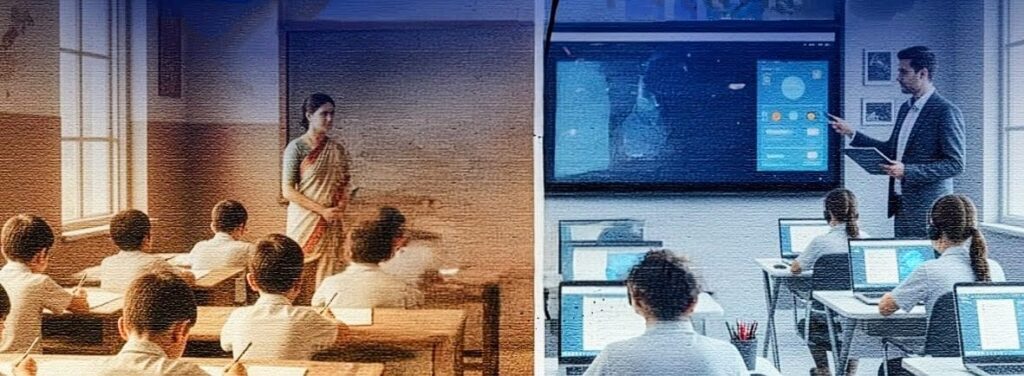
Chalkboards → Smartboards
Notebooks → Laptops
PT shoes → Fitness apps
Pen fights → PowerPoint fights
Morning assembly → Online meetings
We’ve come a long way.
And through this journey, education didn’t just give us degrees —
it gave us resilience, adaptability, skill, and the power to shape the digital world.
That is why 90s kids are not just nostalgic adults —
we are the human capital backbone of the modern era.
From chalkboards to cyberclassrooms, we didn’t just grow up —
we evolved.
And today, we stand as one of the strongest, most adaptable generations shaping the digital world.