
- The Cartoon We Were Told Not to Watch — and Loved Anyway
There are some shows we watched.
And then there are shows we survived — with the volume low, one ear alert to footsteps in the hallway, and a finger always hovering near the remote like it was a self-destruct button.
For a whole generation of Indian kids, Shinchan wasn’t just a cartoon.
- It was a feeling. It was rebellion. It was laughter mixed with fear. It was that exact hour of the day when school was finally over, socks were kicked off, uniforms half-removed, and life felt lighter for a moment.
The fan hummed loudly. The living room smelled like Parle-G, namkeen, or whatever snack happened to exist that day. Homework lay unfinished — or conveniently declared done. And then, on Hungama TV, he appeared.
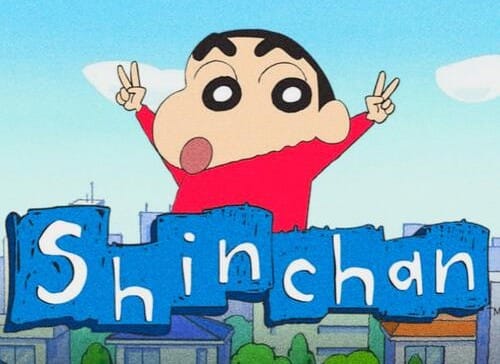
A five-year-old with a bowl cut, dangerous confidence, and zero respect for adult peace.
Shinnosuke Nohara.
And childhood was never the same again.
- The Forbidden Fruit: When Shinchan Arrived in India
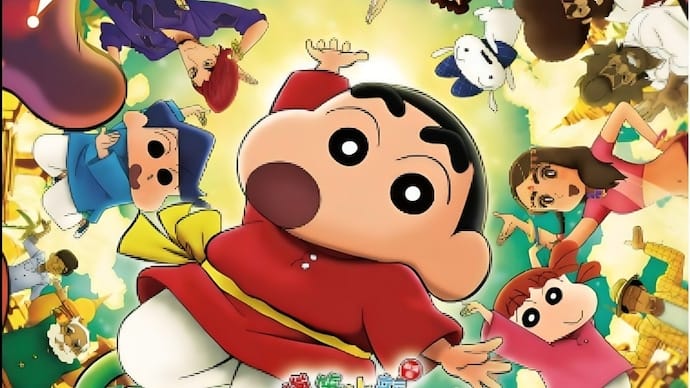
Shinchan didn’t arrive quietly in Indian homes — he crashed into them.
At a time when cartoons were expected to be innocent, educational, or at least morally instructive, Shinchan did the unthinkable. He cracked inappropriate jokes. He danced shamelessly. He questioned elders. He laughed at rules we were told never to break.
There were no magical transformations. No moral lectures. No saving-the-world storyline.
- Just everyday chaos — a tired mother, a frustrated father, a mischievous child, and a home constantly on the edge of disaster.
And that’s exactly why it worked.
The Hindi dubbing played a massive role in Shinchan’s Indian success. The voice actors didn’t just translate the show — they Indianised it. The timing, tone, and one-liners felt local. The jokes slipped past parents but landed perfectly with us. We laughed not just because it was funny, but because it felt slightly illegal.
Shinchan wasn’t just entertaining.
He felt like something that belonged to us.
When Parents United Against a Kindergartener
Adults didn’t need long debates to dislike Shinchan.
They needed just one moment.
One cheeky line. One strange dance. One scene that made an auntie say, “Bas. Band karo.”
And suddenly, the courtroom opened.
Shinchan became the cartoon blamed for everything:
“Isse manners kharab ho jaate hain.”
“Ye bachchon ke liye theek nahi hai.”
“Ye cartoon nahi, bakwaas hai.”
Complaints were filed. Episodes were edited. Discussions about banning it circulated.
And the more they tried to stop it — the more desperately we wanted to watch.
Because that’s how childhood works.
Anything restricted becomes unforgettable.
The Sneaky Ways We Watched Shinchan Anyway
- Let’s be honest — this is where the real nostalgia lives.
Some of us became experts in stealth mode:
volume permanently set to 5
eyes constantly switching between screen and doorway
channel-changing reflexes faster than our exam-answer writing speed
Others planned playdates with precision.
“Mom, main Rahul ke ghar padhne jaa raha hoon.”
And then spent the entire afternoon watching Shinchan, homework untouched, laughter uncontrollable.
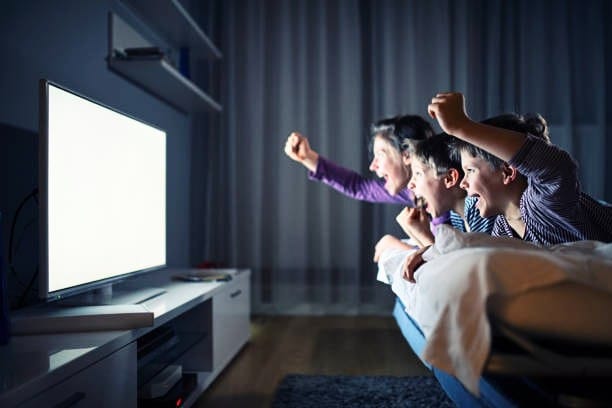
Some households banned it completely. That only made it legendary. Those lucky enough to watch it openly became the keepers of knowledge — narrating episodes at school like underground gossip.
CDs were exchanged. Episodes were recorded. Cable rewind buttons were abused.
The thrill wasn’t just watching Shinchan.
It was getting away with it.
- Why We Truly Connected With Shinchan
Yes, the jokes were crude. Yes, parents had valid concerns.
But beneath the chaos was something deeply relatable.
Shinchan didn’t have superpowers. He didn’t try to be a good kid. He didn’t pretend to be perfect.
He was honest — painfully, hilariously honest.
In a world where children were constantly told to behave, sit properly, speak politely, and not embarrass adults, Shinchan represented freedom. He was everything we weren’t allowed to be. And that made him irresistible.
His family felt familiar:
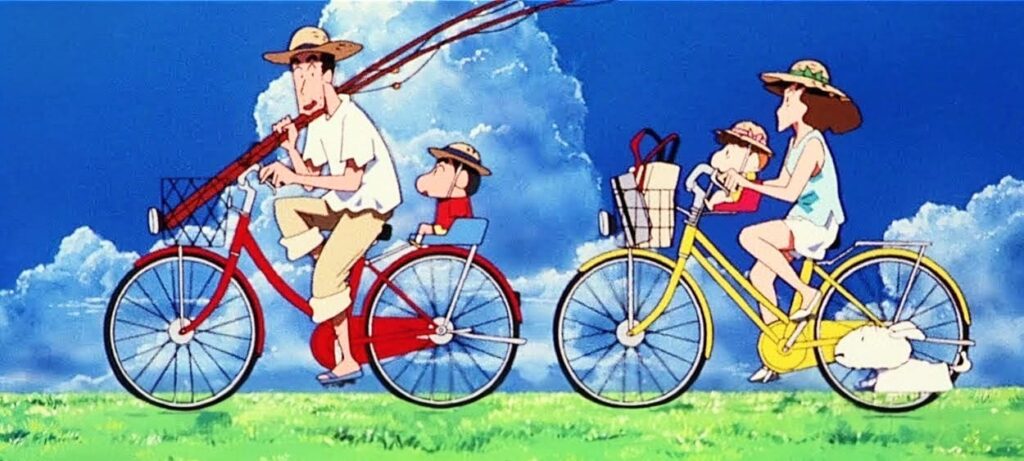
Misae, permanently exhausted, one inconvenience away from shouting — like every Indian mom on a busy day
Hiroshi, tired, relatable, just wanting peace after work
Himawari, cute but chaotic, a silent menace even as a baby
Shiro, the unsung hero of the house
- Even his friends mirrored our classrooms:
the serious one
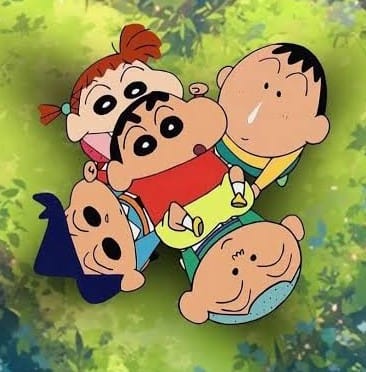
the dramatic one
the scared one
the quietly strange one
- Shinchan didn’t need to be Indian.
He just needed to feel real.
And he did.
The Controversy That Made It Immortal
Here’s the truth most people won’t admit:
Shinchan didn’t become iconic despite controversy.
It became iconic because of it.
The disapproval added drama beyond the TV screen — adults vs kids, good influence vs bad influence. Watching Shinchan wasn’t neutral. It was a choice. And choices made as children leave deeper marks.
Over time, episodes were edited, toned down, debated endlessly.
But the feeling remained.
Shinchan felt slightly dangerous.
Not harmful — just thrilling enough to feel special.
- Rewatching Shinchan as Adults: A Different Kind of Laughter
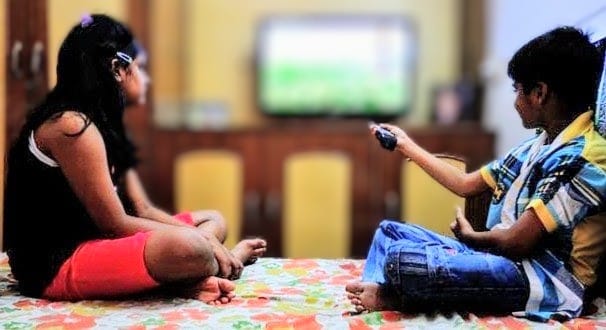
When we rewatch Shinchan today, something strange happens.
We still laugh — but differently.
We notice the tired parents. The repetitive routines. The small money worries. The silent struggles hidden beneath comedy.
As kids, we laughed at Shinchan.
As adults, we laugh at ourselves — because we recognize the chaos we once were.
Shinchan stayed fearless.
We didn’t.
And maybe that’s why it hurts — and heals — at the same time.
- From “Bad Influence” to Cultural Icon
Years passed.
The same cartoon once criticized became a cult classic.
Today, mention Shinchan to anyone who grew up in the late ’90s or early 2000s, and something changes. Faces soften. Smiles appear. Memories spill out.
“Yaad hai woh episode?” “Humko dekhne nahi dete the.”
Parents who once scolded us now smile knowingly.
Memes, reels, throwbacks — Shinchan returned, not as controversy, but as comfort.
Because time has a way of clarifying things.
It was never about corruption.
It was about laughter. It was about release. It was about being a child.
- What Shinchan Really Gave Us
Shinchan didn’t teach us how to be good adults.
He taught us how to enjoy being kids.
He gave us:
- that felt endless
– friendships built on shared laughter
-small rebellions that made us feel big
–memories that still make us smile on hard days
● Shinchan wasn’t just entertainment.
He was a marker of time. A shared language. A stubborn piece of freedom broadcast into our living rooms.
- Final Memories/Thought: The Shinchan That Never Left Us
Somewhere inside every adult who grew up with Shinchan lives a small, mischievous five-year-old.
Still laughing. Still questioning. Still finding joy in the wrong places.
We grew up. Life became serious. Responsibilities took over.
But Shinchan stayed exactly where we left him — frozen in time, shameless and loud.
And every time we hear that familiar giggle, something inside us remembers:
There was a time when our biggest problem was getting caught watching the wrong cartoon.
And somehow… that felt like peace.
Shinchan wasn’t just a cartoon.
He was our childhood — unfiltered, imperfect, and unforgettable.
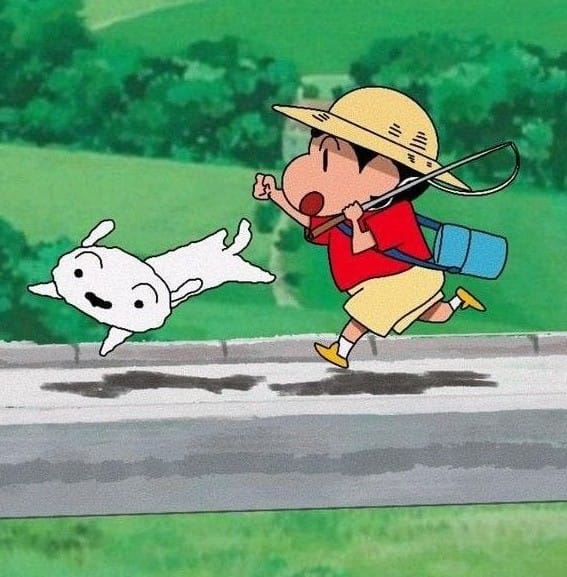
I’m 22 years old, and on the verge of turning 23, yet there’s one particular show that consistently brings a smile to my face and allows me to escape from the challenges in my life. I sometimes hear people say that I need to grow up or that I’m clinging to my childhood, but I really don’t mind. This show has been my favorite since I was a small child, and I can still recall the excitement I felt watching it for the first time. My parents never discouraged me from enjoying it, and for that, I am truly grateful.
No matter what else is happening in my life, I find solace in watching this show. When I’m feeling sad, unmotivated, or just overwhelmed, the familiar characters and comforting storylines provide a sense of relief. I prefer to watch it on my television rather than on my mobile or computer; there’s something special about the large screen that enhances the experience. It feels like a time machine, transporting me back to a time when life seemed simpler and I didn’t have to worry about right or wrong. Those moments spent watching it are a cherished escape that helps me reconnect with the joy of my childhood.
Thank you so much for sharing such a heartfelt experience. It beautifully captures how certain shows become timeless companions, offering comfort, nostalgia, and a sense of peace no matter our age. There’s absolutely nothing wrong with holding on to what brings genuine joy-stories like yours are exactly what make nostalgia so powerful. I truly appreciate you opening up and connecting with the spirit of Rare Toons India – you can connect with me for anything karthikeya.