

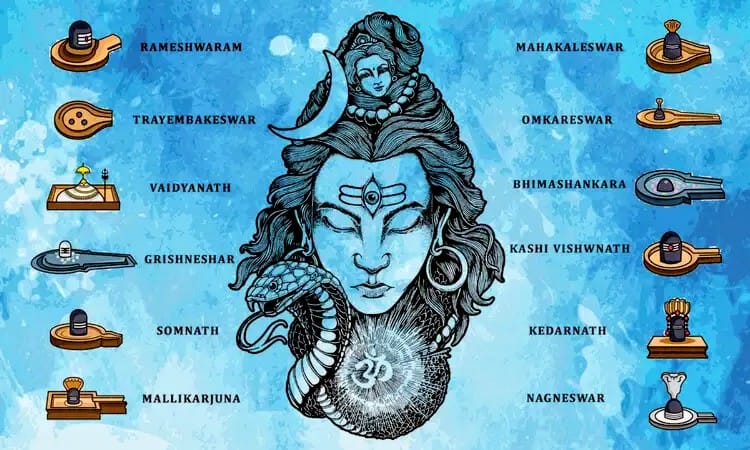
Jyotirlinga-
Jyotirlinga literally means “pillar (stambha) or mark (linga) of light” — a manifestation of Shiva as infinite radiance. The classical legend (Brahma–Vishnu contest) explains that Shiva became an endless column of light; the sites where that divine light manifested physically became the jyotirlinga shrines, and each has its own Sthala Purana (local legend and spiritual emphasis).
1) Somnath — Prabhas Patan, Gujarat
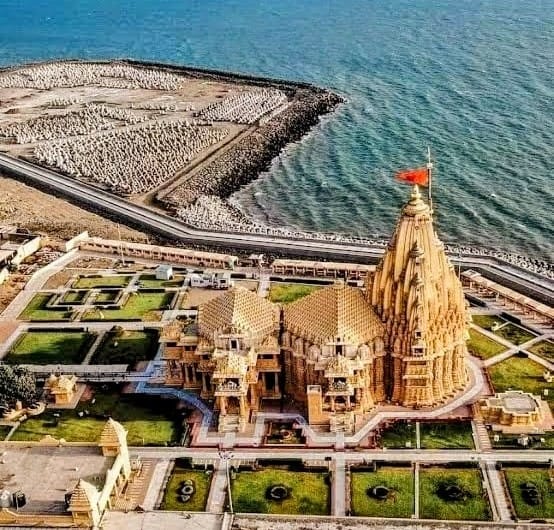
Legend & identity: Somnath means “Lord of the Moon.” The shrine is tied to the story of Chandra (the moon god) who was freed from a curse after penance and grace at this site.
Importance & purpose: Somnath is traditionally considered the first of the Jyotirlingas and has long been a symbol of faith that survives destruction and renewal. Pilgrims come seeking purification, restoration and resilience — a reminder that spiritual continuity outlives political or material setbacks.
Feeling / connection: People report a sense of solemn continuity here , standing by the sea at a place repeatedly rebuilt gives a visceral sense of devotion that endures through time.
2) Mallikarjuna (Srisailam) — Andhra Pradesh
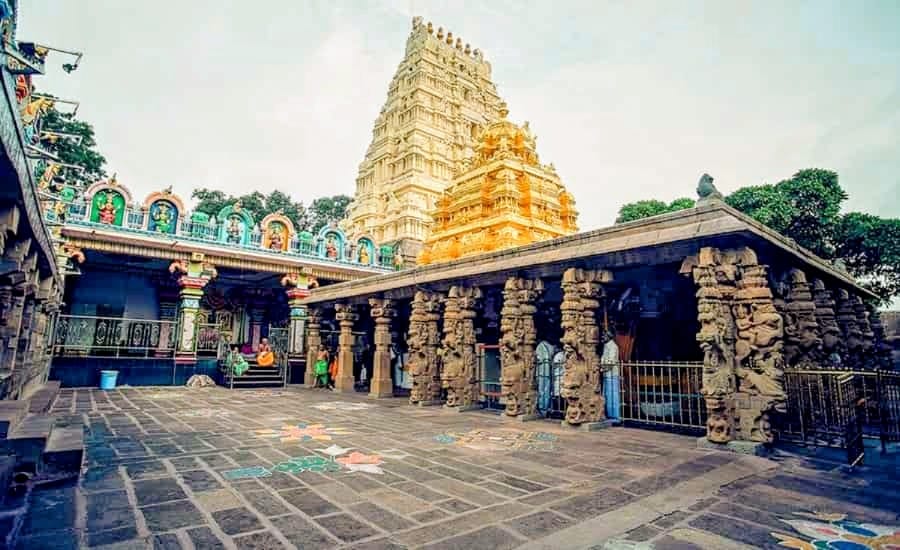
Legend & identity: Mallikarjuna is associated with the story of Shiva and Parvati visiting their son Kartikeya in disguise; the combined names Mallika (Parvati) + Arjuna (Shiva’s local name) give the shrine its character.
Importance & purpose: This is a paired shrine (Shiva + Shakti) reminding devotees that the dynamic union of masculine and feminine principles is the ground of spiritual life. Pilgrims often come for blessings related to family, reconciliation and household harmony.
Feeling / connection: The site evokes intimacy and family devotion — many feel sheltered by the presence of both Shiva and the goddess in one complex.
3) Mahakaleshwar — Ujjain, Madhya Pradesh –
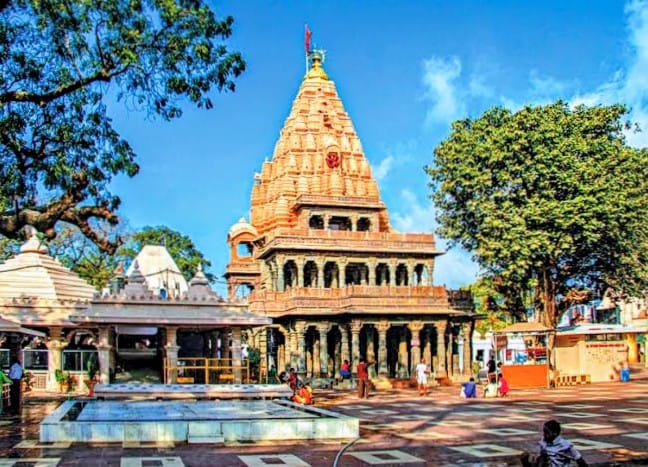
Legend & identity: Mahakaleshwar (the Great Lord of Time/Death) appeared to protect Ujjain; the shrine is famed as a swayambhu (self-manifested) linga and is one of the rare south-facing (dakṣiṇamukhi) lingas.
Importance & purpose: Devotees come to confront impermanence and the mystery of time. Rituals (notably the Bhasma-aarti) underline Shiva’s mastery over death and transformation; people seek protection from sudden death and guidance through major life passages.
Feeling / connection: Visitors often describe a solemn, intense atmosphere — a place for surrender and inner reckoning rather than light-hearted wishes.
4) Omkareshwar — Mandhata island, Madhya Pradesh-
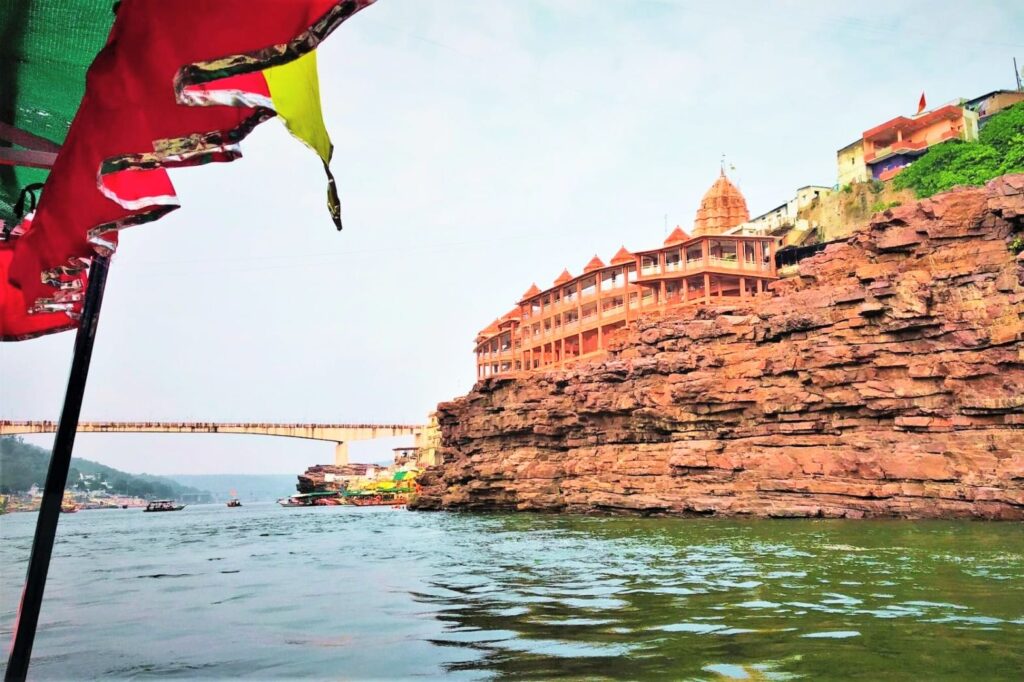
Legend & identity: Located on an island shaped like the sacred syllable Om, Omkareshwar highlights Shiva as the embodiment of the primordial sound and cosmic vibration.
Importance & purpose: The temple invites contemplative practice around the sound-center of the universe: Om. Pilgrims undertake parikrama (circumambulation) of the island and use the space for mantra and meditation practices.
Feeling / connection: The island setting and the Om symbolism make many devotees feel centered and harmonized — a calming place to listen inwardly.
5) Kedarnath — Garhwal, Uttarakhand
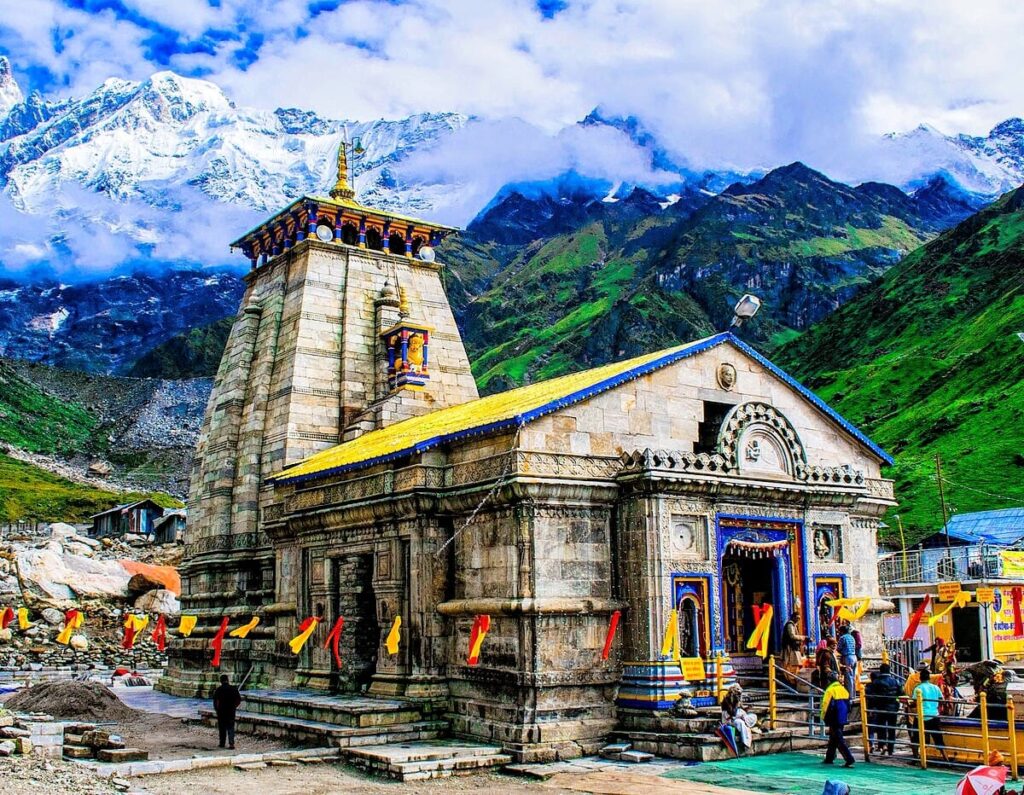
Legend & identity: Kedarnath’s story links to the Pandavas and Shiva’s bull-form hiding from them; it’s the highest-altitude Jyotirlinga and part of the Himalayan spiritual circuit.
Importance & purpose: Situated in the raw grandeur of the Himalaya, Kedarnath is a place of austerity and high-altitude devotion. Pilgrims often treat the trek itself as a spiritual practice; the shrine offers purification, humility and direct communion with elemental nature.
Feeling / connection: Many describe an overwhelming sense of smallness and awe, danger and devotion mix, producing deep inner stillness and clarity.
6) Bhimashankar — Bhorgiri, Maharashtra
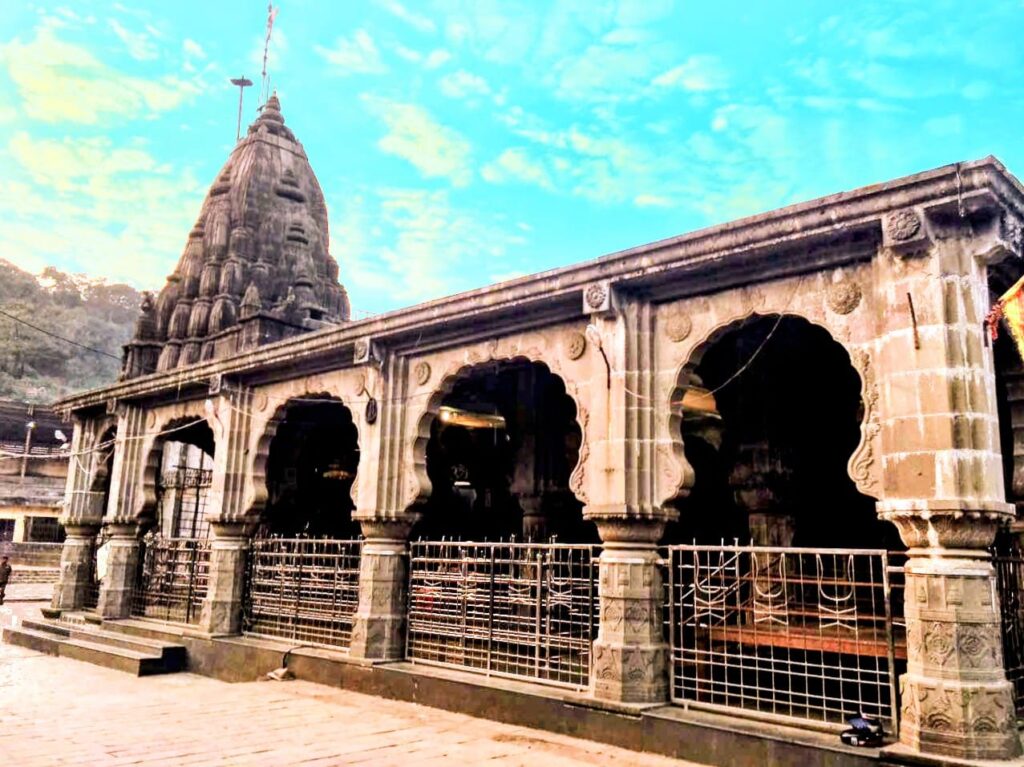
Legend & identity: Bhimashankar commemorates Shiva’s victory over the demon Bhima; it is also geographically associated with the origin of the Bhima river.
Importance & purpose: The shrine emphasizes Shiva as protector who restores balance by subduing destructive forces. Pilgrims come seeking strength to overcome inner or outer adversities and to reconnect with wild, forested energy.
Feeling / connection: Set in the Western Ghats, Bhimashankar gives a sense of primal, biological power, devotional practices here often feel energizing and cleansing.
7) Kashi Vishwanath (Vishwanath) — Varanasi, Uttar Pradesh
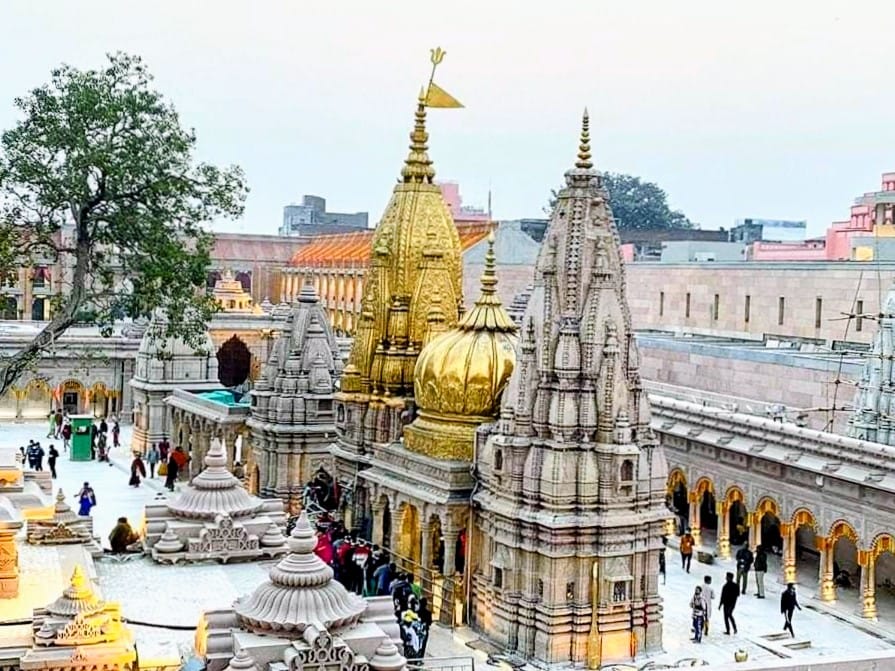
Legend & identity: Perhaps the most famous jyotirlinga, Kashi Vishwanath sits on the Ganges in Varanasi (Kashi). Legend says Shiva’s infinite light rose here; Kashi is also considered the city Shiva never leaves.
Importance & purpose: Kashi is a spiritual magnet for those seeking liberation (moksha). Dying or being devoted in Kashi is traditionally believed to free one from the cycle of rebirth; the temple is also a center for continuous, layered ritual life.
Feeling / connection: Pilgrims report an intense, transformative energy, a mix of grief, reverence and the fierce possibility of release. The temple and the Ganga together create a powerful context for life-review and surrender.
8) Trimbakeshwar — Trimbak, Maharashtra
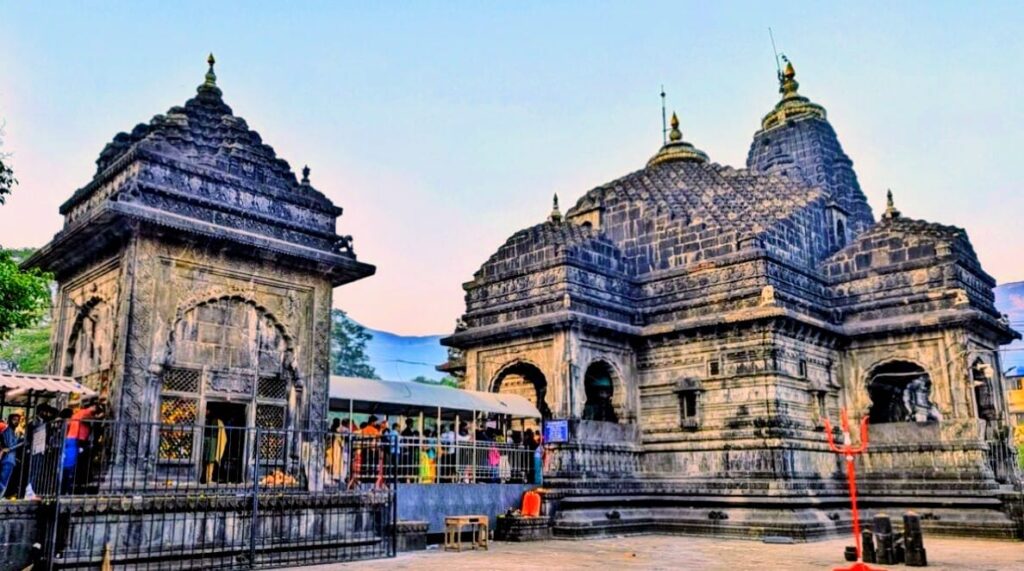
Legend & identity: Trimbakeshwar is unique for its three-faced linga (representing Brahma, Vishnu and Shiva) and is near the Godavari’s source.
Importance & purpose: The triple aspect emphasizes Shiva’s role within the cosmic triad; the temple is also a significant place for rites that remove ancestral debts and for performing certain samskaras (life-cycle rites).
Feeling / connection: Devotees often feel a sense of completeness and ritual depth — it’s both philosophical (triune symbolism) and practical (lineage and ritual obligations).
9) Grishneshwar (Ghrishneshwar) — Ellora (near Aurangabad), Maharashtra
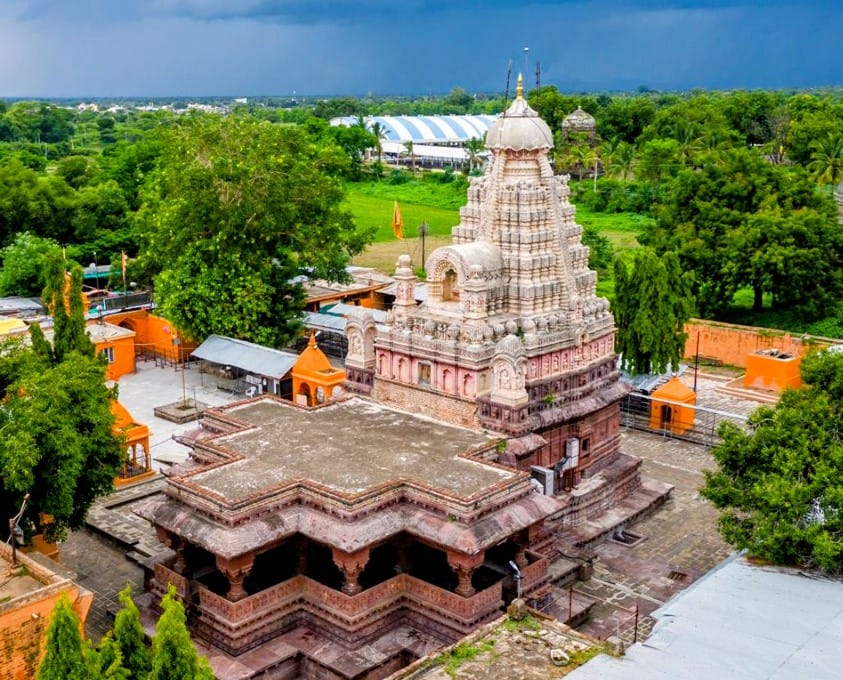
Legend & identity: Grishneshwar — “Lord of compassion” — is close to the Ellora cave complex and carries local legends of compassion and protection.
Importance & purpose: This jyotirlinga underlines mercy and healing. Pilgrims come for personal relief, to invoke Shiva’s compassionate aspect, and to connect devotion with the rich art-historical context of Ellora.
Feeling / connection: The site blends art and devotion; visitors often feel soothed and consoled, as if the shrine itself absorbs suffering.
10) Vaidyanath / Baidyanath — Deoghar (Jharkhand)
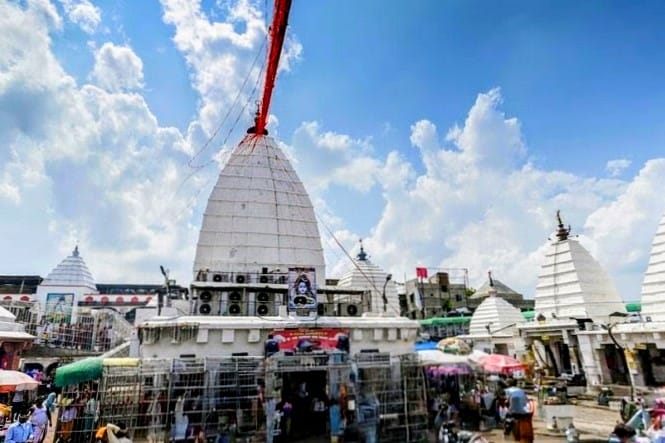
Legend & identity: Baidyanath (Vaidyanath) ties Shiva to healing — the name points to the physician (vaidya) aspect of the Lord. The site also reveres Parvati in some accounts.
Importance & purpose: Devotees visit seeking physical and mental healing; ritual forms here emphasize Shiva’s ability to cure and restore. It’s a shrine where petitions for health are especially common.
Feeling / connection: Pilgrims often experience hope, focused devotion and gratitude after recovery narratives — an immediate, practical orientation to divine help.
11) Nageshwar — Dwarka/Gujarat region
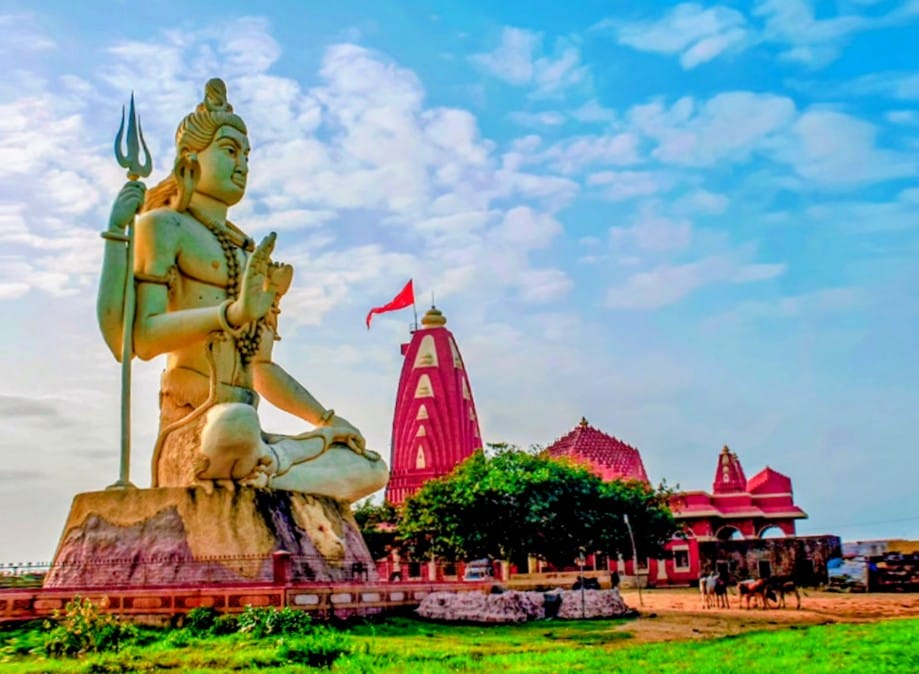
Legend & identity: Nageshwar (Daarukavanam area) is associated with protection from poisons and negative influences; it’s one of the Gujarat jyotirlingas and tied to Adi Shankaracharya’s western math tradition.
Importance & purpose: Nageshwar’s spiritual emphasis is on detoxification — moral, psychological and spiritual. Pilgrims seek liberation from entanglements and the “poisons” of envy, hatred or obsession.
Feeling / connection: Visitors often report relief and a sense of cleansing after worship here — a quieter, purgative spiritual tone.
12) Rameshwaram (Ramanathaswamy) Tamil Nadu
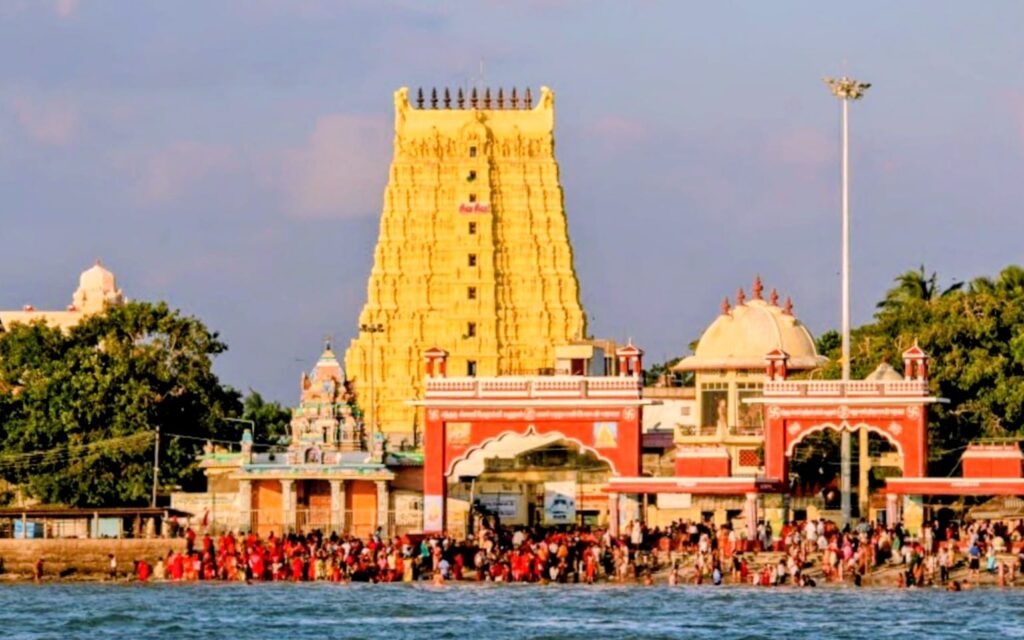
Legend & identity: Rameshwaram’s linga is linked to Lord Rama’s worship of Shiva; it houses both a sand linga (installed by Rama) and a linga believed to be brought by Hanuman — a powerful Ramayana link.
Importance & purpose: The shrine is a bridge between Vaishnava (Rama) devotion and Shaiva practice, a place for atonement, healing, and reconciliation between different bhakti streams. Pilgrims perform ablutions and penances that are thought to cleanse serious sins.
Feeling / connection: Devotees often describe an atmosphere of penitent humility combined with joyful reverence for the epic past; it’s both relational (Rama → Shiva) and deeply forgiving.
How the twelve fit together — aim, purpose and the pilgrim’s experience
The twelve shrines are not only twelve local holy places; historically and spiritually they were established (and later celebrated) as a network of Shiva-energy across India so seekers everywhere could access different aspects of the same infinite reality — light, time, compassion, healing, austerity, union, liberation. Each jyotirlinga has its own Sthala Purana and distinct focus, and together they form routes that devotees can walk to deepen practice, seek specific blessings, or aim toward moksha.
A brief practical & devotional takeaway
Purpose: Visit one for what you most need — healing (Baidyanath), surrender (Mahakaleshwar), purification (Somnath/Rameshwaram), or transformation (Kedarnath/Kashi).
Feeling: Expect devotion to be site-shaped: some places invite awe, others intimacy; some ask for pilgrimage-effort (Kedarnath), others steady liturgical presence (Kashi).
Unity: Together the Jyotirlingas teach that the same divine light shows up in many forms — a practical map for inner work as much as a travel itinerary.

Hi http://planetearthnews.in,
Just had a look at your site – it’s well-designed, but not performing well in search engines.
Would you be interested in improving your SEO and getting more traffic?
I can send over a detailed proposal with affordable packages.
Warm regards,
Ashwani
Thanks for the observation. our team is working on that
Hello team, “planetearthnews.in”
I just wanted to know if you require a better solution to manage SEO, SMO, SMM, PPC Campaigns, keyword research, Reporting etc.
Because of this you’re losing a ton of calls to your competitors!
We can place your website on Google’s 1st page.
Let me know if you’re interested, and I’ll send you information about our company and the cost of our services by email.
Thank you,
Nishant Sharma