
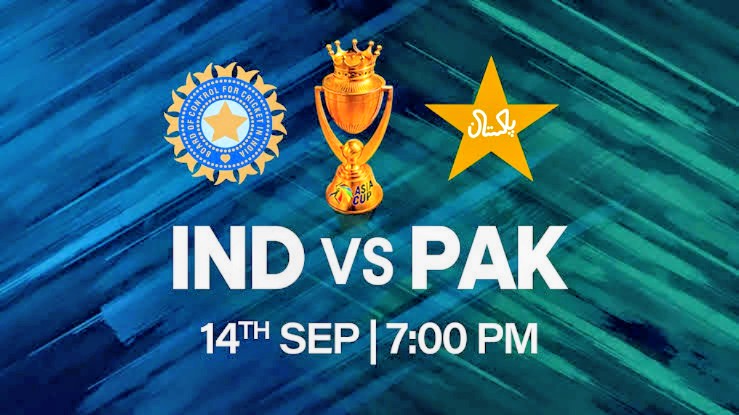
Few sporting rivalries in the world carry the weight of history, emotion, and politics like an India–Pakistan cricket match. The buzz is always electric, but this time, the Asia Cup 2025 clash at the Dubai International Stadium has been overshadowed by boycott campaigns, heated social media debates, and a tense dressing room atmosphere.
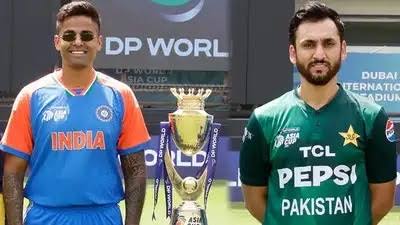
With Suryakumar Yadav leading India and Salman Ali Agha captaining Pakistan, the Group A encounter isn’t just about cricket—it’s about pride, politics, and passion.
Why This Match Feels Different
Just days before the showdown, the Pahalgam terror attack and Operation Sindoor reignited public anger in India. Many fans questioned why the Men in Blue should even share a field with Pakistan. Hashtags calling for a boycott trended, reflecting how emotions often spill into cricket whenever the two nations clash.
Inside India’s camp too, there’s a palpable tension. The players are professionals, but they are not immune to the atmosphere outside. Every India–Pakistan match carries enormous pressure; this one feels heavier than usual.
India vs Pakistan: A Rivalry Beyond Cricket
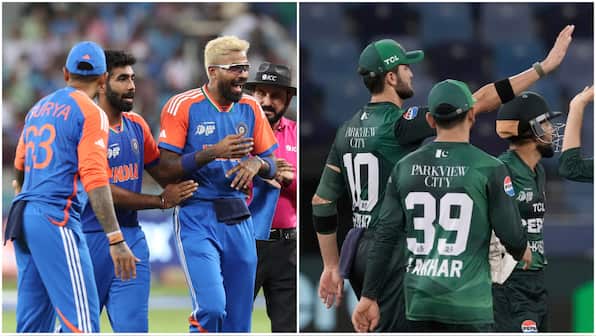
The India–Pakistan rivalry has always been more than just about runs and wickets. Political ties, cross-border conflicts, and national pride make every ball bowled a matter of high drama. Over the years, the Asia Cup has often been a flashpoint, producing not only thrilling cricket but also unforgettable controversies.
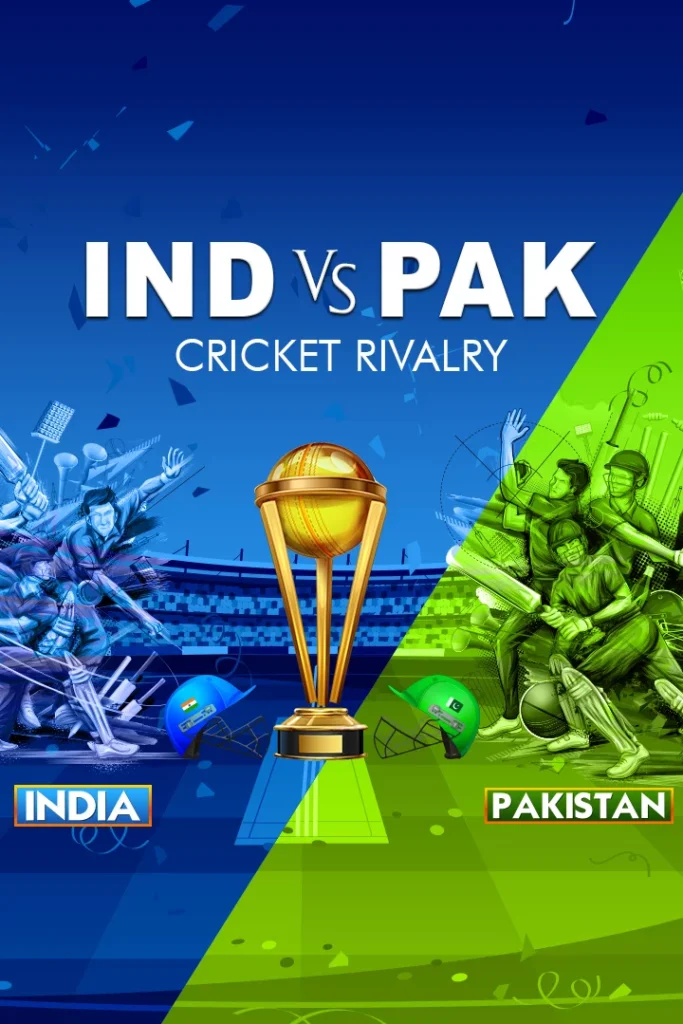
Let’s rewind to some fiery moments that shaped this rivalry in the Asia Cup.
Flashback: Controversies That Rocked the Asia Cup
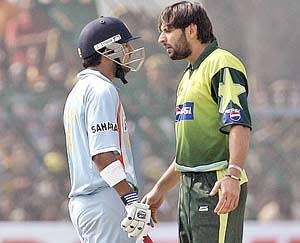
1.Gambhir vs Akmal (2010)
The 2010 edition witnessed a heated altercation when Gautam Gambhir clashed with Kamran Akmal.
The trigger: Akmal repeatedly appealed for caught-behind decisions against Gambhir—first off Shahid Afridi, then Saeed Ajmal.
Both times, the umpire said “not out,” but Akmal didn’t let it go.
Gambhir eventually lost his cool, leading to an ugly verbal spat on the field.
The incident became one of the most talked-about controversies of that year’s Asia Cup.
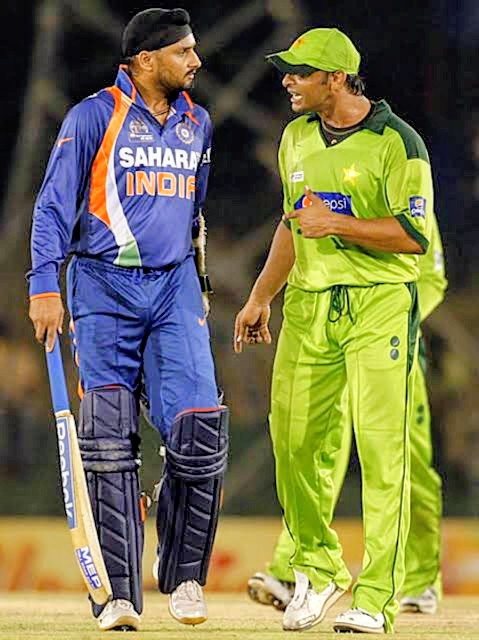
2. Shoaib Akhtar vs Harbhajan Singh (2010)
The same match saw another fiery showdown—this time between Rawalpindi Express Shoaib Akhtar and India’s fiery off-spinner Harbhajan Singh.
The spark: Harbhajan smashed Akhtar for a huge six in the 47th over.
The tension: After missing two short balls in the 49th, Harbhajan exchanged words with Shoaib.
The explosion: Both players went nose-to-nose before teammates intervened.
This clash summed up the emotions whenever India and Pakistan shared the stage.
Fast Forward to 2025: What Lies Ahead?
India enters the match with momentum after beating UAE in their opening fixture.
Pakistan, meanwhile, faces Oman before locking horns with their arch-rivals.
On paper, both sides are balanced, but when it’s India vs Pakistan, form often takes a backseat.
More importantly, this match is being played under the cloud of boycott debates and national sentiment. While cricketers will try to focus on the game, they know millions back home are expecting nothing short of victory.
The Bigger Picture
Every India–Pakistan game is a reminder that sport in South Asia can never be fully separated from politics and history. Wins are celebrated like festivals, and losses sting for years.
Whether boycott campaigns succeed or not, one thing is clear: when India and Pakistan meet on the cricket field, the world stops to watch. And controversies—past or present—only add more fuel to the fire of the greatest rivalry in cricket.
In short:
The Asia Cup 2025 clash is more than just another cricket game. It’s a continuation of a long, dramatic saga—where politics meets sport, tempers flare, and cricket becomes a canvas for national pride.
 admlnlx