

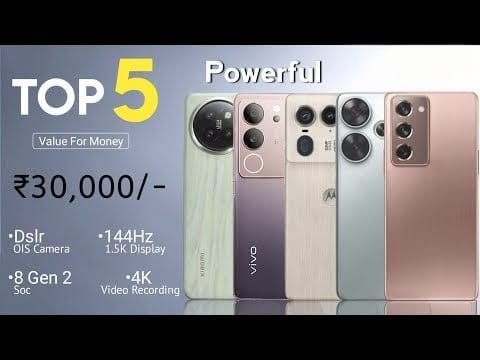
In today’s smartphone market, spending over ₹60,000 on a premium flagship device isn’t always the smartest choice. For most people, mid-range smartphones priced between ₹20,000 and ₹35,000 now offer a balanced package of performance, features, and durability — all without burning a hole in the pocket. Unless you truly need bleeding-edge technology, these devices give you nearly everything you need at a fraction of the cost.
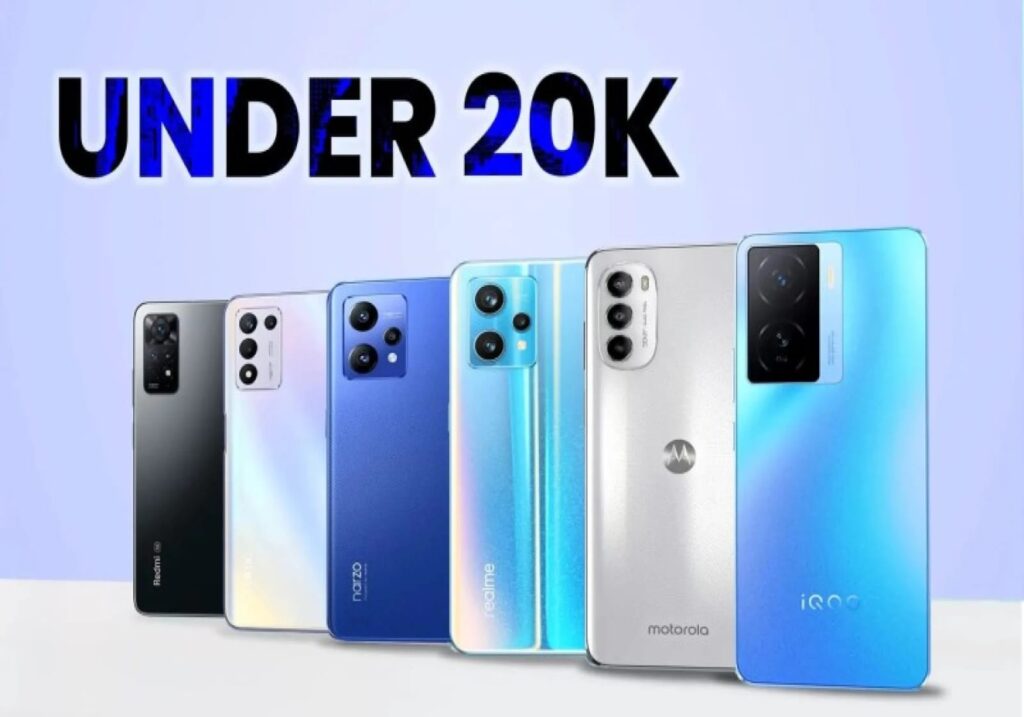
Let’s break down why mid-range smartphones often provide the best value for money.
Performance and Specifications-:
The days when mid-range phones lagged far behind flagships are long gone. Today, the performance gap has narrowed significantly.
Processors -: Mid-range devices frequently use last year’s flagship processors or the latest mid-tier chipsets. For instance, Qualcomm’s Snapdragon 7 Gen series and MediaTek’s Dimensity 8000 series are designed to handle multitasking, streaming, and even moderate gaming with ease. Unless you’re a heavy gamer or doing professional-level video editing, you won’t notice much difference compared to premium processors.
Displays -: Modern mid-range phones often feature AMOLED screens with high refresh rates (90Hz–120Hz). This makes scrolling, gaming, and video playback smooth and visually pleasing. Premium devices may offer LTPO panels with adaptive refresh rates, but the day-to-day difference is minor for most users.
Battery and Charging-: Mid-range phones often shine in this department. Many models come with larger batteries and efficient processors, which result in longer screen-on time. They also support fast charging — some even include chargers in the box, unlike many flagship phones. While you may miss out on wireless charging, it’s not a deal-breaker for the majority of buyers.
Camera Capabilities -: Cameras are a big selling point for premium smartphones, but mid-range devices have caught up in most practical scenarios.
Everyday Photography -: In good lighting conditions, mid-range phones can capture sharp, detailed photos that look almost identical to those taken with high-end devices.
Hardware vs. Software -: Premium phones pack larger sensors, better lenses, and more advanced software optimization. This advantage is most noticeable in low-light situations, night photography, or when using telephoto zoom.
Overkill Features -: Many flagship perks — like 8K video recording or professional-grade stabilization — aren’t necessary for everyday users. If your photography needs revolve around social media, family photos, and occasional videos, a mid-range phone will more than suffice.
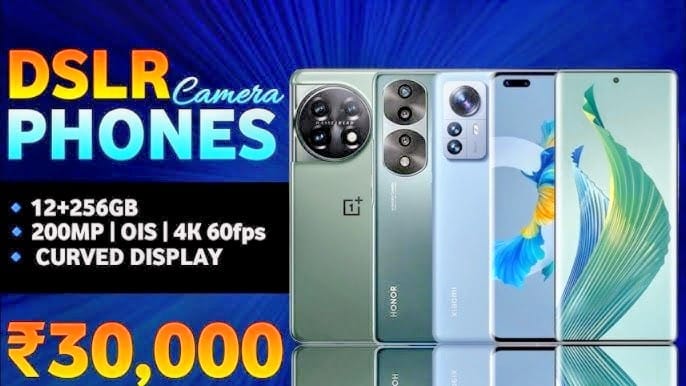
Build Quality and Durability -:
Premium phones may feel luxurious in hand, but practicality matters more in everyday life.
Materials -: High-end phones often use glass backs and aluminum or titanium frames, which look and feel premium but are fragile. Mid-range devices commonly use durable polycarbonate or matte finishes, which are lighter and more resistant to accidental drops.
Repair Costs-: If you crack a glass back on a flagship, repairs can cost as much as a new mid-range phone. With more durable materials and affordable parts, mid-range devices are often easier and cheaper to maintain.
Diminishing Returns and Pricing -:
This is where mid-range phones win hands down.
Depreciation-: Flagship phones lose value quickly. A device bought for ₹80,000 may drop to ₹40,000 in just a year or two. In contrast, mid-range devices already start at a lower price point and therefore suffer a smaller absolute loss in value.
Financial Sense-: Spending ₹25,000–₹30,000 every two years often works out cheaper than buying one flagship for ₹80,000+ and holding onto it. You still enjoy updated features regularly without feeling the sting of heavy depreciation.
Who Should Buy What?
Your choice should depend on how you actually use your phone and what you prioritize.
Choose a Mid-Range Phone (₹20,000–₹35,000) if -:
You use your phone mostly for social media, browsing, streaming, photography in good lighting, and general daily tasks.
You want excellent performance without overspending.
You value durability and lower repair costs over premium materials.
You prefer to upgrade every couple of years without losing much money.
Choose a Premium Phone (₹60,000 and above) if:
You’re a power user who needs top-tier performance for heavy gaming, 4K/8K video editing, or professional work.
You’re passionate about photography or videography and need the very best low-light cameras, optical zoom, and advanced image processing.
You plan to keep your phone for 4–5 years and want the longest possible software update cycle.
You value luxury design and exclusive features, even if they don’t add practical benefits for everyday use.
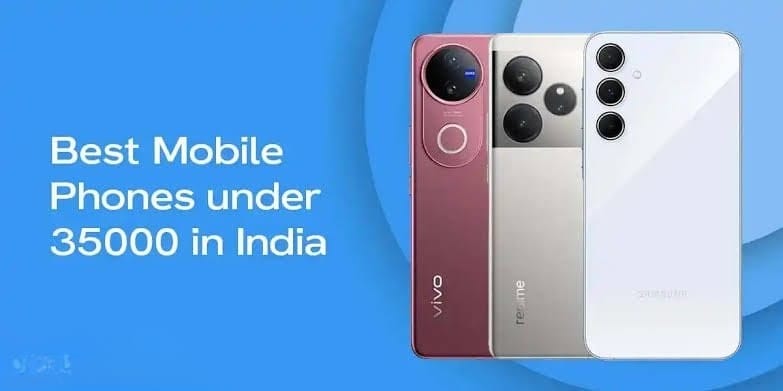
Final Thoughts -:
Mid-range smartphones in the ₹20,000–₹35,000 segment have matured to the point where they’re the most sensible option for most buyers. They combine powerful hardware, reliable performance, excellent displays, solid cameras, and long battery life — all at less than half the cost of a flagship.
Unless you’re someone who truly needs premium features for professional work or just enjoys the prestige of owning a flagship, a mid-range phone is the smarter, more practical choice. It’s proof that in the smartphone world today, value matters more than vanity.
 admlnlx